In an era defined by climate crises, biodiversity loss, and resource scarcity, humanity stands at a crossroads. Traditional models that deplete natural capital and degrade ecosystems are proving unsustainable. To secure a resilient future, we must embrace approaches that not only sustain but actively restore the living systems we depend on.
Regenerative resources represent this transformative vision. By going beyond renewal, they aim to actively improve the health, diversity, and functional capacity of ecological and social systems. This article explores the paradigm shift, market dynamics, key practices, and pathways to scale an investment strategy rooted in regeneration.
The prevailing extraction model focuses on harvesting raw materials as quickly and cheaply as possible. While it may deliver short-term economic gains, it leaves a legacy of soil erosion, diminished biodiversity, and social inequalities. In contrast, the regeneration model moves from do less harm to create more good, embracing a systems approach that rebuilds the foundations of life.
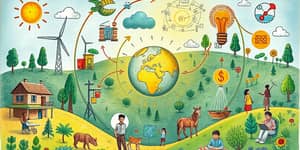
At its core, regeneration shifts our metrics of success. Instead of measuring outputs alone, it assesses long-term outcomes: soil organic matter, water retention, carbon sequestration, and community well-being. This beyond mere renewal to positive net impact mindset unlocks new value streams and aligns economic incentives with planetary boundaries.
The global regenerative agriculture market is poised for remarkable expansion. Estimates for 2025 range from USD 1.52 billion to 15.38 billion, with projections soaring to USD 21.5 billion–72.21 billion by 2034. These figures translate to a 14%–18.75% compound annual growth rate, reflecting surging demand from consumers, corporations, and policy-makers alike.
North America currently commands the largest share (37%–45%), driven by carbon credit schemes, supportive regulation, and corporate pledges from industry giants. Meanwhile, the Asia-Pacific region emerges as the fastest-growing market, spurred by soaring food demand and climate resilience initiatives.
Regenerative agriculture thrives on diverse, outcome-based practices that restore ecosystem functions and deliver economic value. Key innovations include:
Investments in regenerative resources yield a host of interlinked advantages. They improve soil health, carbon sequestration, water retention, and biodiversity, while fortifying landscapes against drought and extreme weather.
Economically, farmers report decreased input costs, stable yields, and new income streams from ecosystem services markets. Communities benefit from increased local employment, resilient food systems, and strengthened social cohesion. This approach builds local economic empowerment via sustainable cycles, aligning prosperity with planetary regeneration.
Despite clear benefits, adoption remains limited: only 1.5% of U.S. arable land is farmed regeneratively. Key barriers include upfront transition costs, infrastructure gaps, and knowledge transfer needs. Robust measurement frameworks for soil health, biodiversity, and carbon outcomes are essential to validate investments.
Governments, investors, and corporations can accelerate uptake through targeted incentives, research funding, and capacity-building programs. Carbon credits and emerging biodiversity credit markets provide additional economic levers, rewarding land stewards who deliver verifiable ecosystem gains.
Regeneration extends into materials, energy, and design. Emerging compostable, derived from diverse biofeedstocks for soil enrichment materials offer alternatives to petrochemical plastics. Design principles emphasize feedstock diversification, regional feedback loops, and closed-loop supply chains.
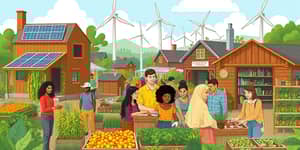
In the energy sector, regenerative approaches integrate solar, wind, and bioenergy with ecosystem restoration—linking renewable power to watershed health and biodiversity corridors. Circular economy models redesign products for disassembly, transformation, and return to the earth, closing the loop on waste.
By broadening the scope to regenerative design, energy, and materials, we unlock systemic resilience. Investors can catalyze a new economy where profit and purpose converge, creating landscapes that thrive and societies that flourish.
Moving beyond extraction is not just an environmental imperative; it is an economic and social opportunity of unprecedented scale. By channeling capital toward regenerative resources, we can heal the planet, empower communities, and forge a legacy of abundance for generations to come.
References