The conventional reliance on Gross Domestic Product as the primary measure of economic success has reached its limits. While GDP captures the monetary value of goods and services produced, it overlooks critical dimensions such as environmental health, social equity, and the invaluable contributions of unpaid work. In an era of accelerating climate crisis and widening social gaps, it is imperative to adopt a holistic framework that reflects true prosperity and long-term resilience.
Gross Domestic Product was never designed to capture ecological damage or social well-being. When an oil spill occurs, the cleanup efforts inflate GDP even as the environment suffers irreversible harm. This phenomenon demonstrates how negative trends alongside rising GDP can mask real-world degradation.
By failing to account for resource depletion, pollution, and the loss of ecosystem services, GDP encourages a growth paradigm that often leads to overshoot. In 2018, the global GDP reached $82.5 trillion, yet humanity’s ecological footprint consumed 22.2 billion hectares—184% of Earth’s biocapacity. Such overshoot signals a fundamental misalignment between economic output and planetary boundaries.
The financial cost of climate change further underscores the limitations of GDP. For every 1°C rise in global temperature, an estimated 12% of global output—approximately $13 trillion today—could vanish due to extreme weather, crop failures, and health crises. This reality challenges the assumption that higher GDP automatically translates to greater wealth and well-being.
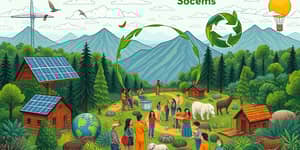
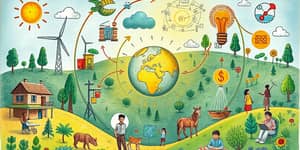
A regenerative economy seeks not merely to minimize harm but to actively restore and enhance natural and social capital. It is grounded in an understanding that economic activity is embedded within, and dependent upon, healthy ecosystems and equitable societies. This shift demands new mindsets and operational frameworks.
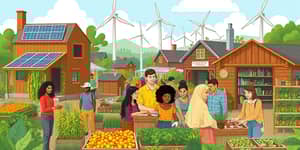
Collaboration among governments, businesses, and communities forms the backbone of this transformation. Investments shift toward initiatives that deliver measurable ecological and social returns, fostering a positive feedback loop where environmental and human health reinforce economic vitality.
Moving beyond GDP requires a suite of indicators that collectively capture the state of natural, social, and human capital. No single metric can tell the whole story, but together they provide a robust picture of genuine prosperity.
By integrating these indicators, policymakers and investors can measure the true cost of growth and target interventions that yield lasting benefits.
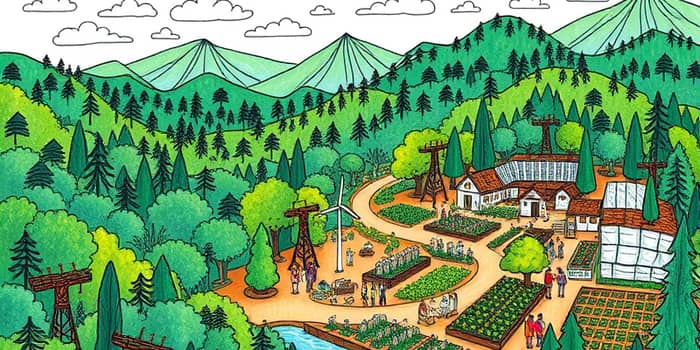
Concrete examples illustrate the transformative potential of regenerative approaches. In agriculture, shifting from synthetic inputs to regenerative practices such as cover cropping and compost application has been shown to sequester up to two tons of carbon per hectare annually. These methods also boost soil fertility, water retention, and yields over time.
In the energy sector, regions investing aggressively in renewable infrastructure report net-positive outcomes. For instance, a coalition of European countries achieved a 40% reduction in carbon emissions between 2005 and 2020, while simultaneously growing their economies by 20%. This demonstrates that ecological restoration and economic expansion can be synergistic rather than conflicting goals.
At the corporate level, product-service models—where companies retain ownership of materials and provide services instead of one-off goods—have reduced raw material use by 30% on average. Firms adopting these models benefit from steady revenue streams, improved customer loyalty, and reduced exposure to resource volatility.
Efforts to decouple economic growth from environmental impact have largely yielded relative improvements rather than the absolute reductions required. Efficiency gains often lead to rebound effects, where savings in one area fuel increased consumption elsewhere. This demonstrates that incremental “green growth” cannot by itself resolve systemic ecological crises.
Moreover, a scarcity mindset focused solely on mitigation can constrain innovation and limit regenerative outcomes. In contrast, a regenerative approach envisions abundance through positive-sum cycles, where restoring ecosystems unlocks new opportunities for prosperity and well-being.
Governments and institutions must realign their strategies to measure and drive regenerative outcomes. This includes shifting budgeting and reporting practices from GDP-based targets to well-being and ecological health indicators. Local and national policies can incentivize regenerative agriculture, renewable energy deployment, and circular economy practices.
Such systemic changes require collaboration across sectors and scales, underpinned by transparent data and inclusive decision-making. The journey toward true wealth demands both collective vision and practical action.
Moving beyond GDP as the singular gauge of success unlocks a pathway to genuine prosperity—one that honors planetary boundaries and promotes equitable opportunity. By embracing pursuit of constant GDP growth as an obsolete paradigm and adopting regenerative principles, societies can transition toward lasting resilience and shared well-being. The tools and case studies already exist; the challenge now lies in scaling and integrating them into policy, finance, and everyday life. Only then can we secure a future where wealth reflects the true value of our natural and social heritage.
References