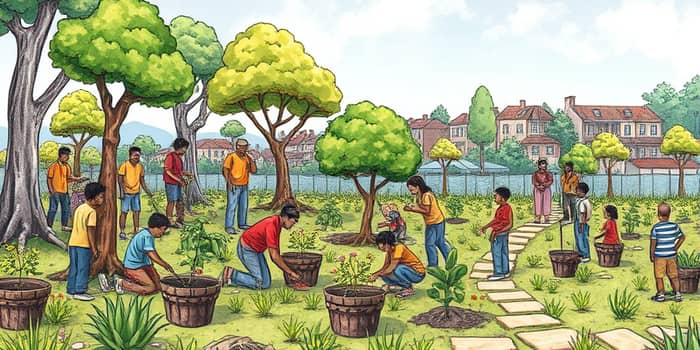
For centuries, dominant economic paradigms have prioritized unbridled growth, resource extraction, and profit maximization—often at the expense of communities, ecosystems, and human dignity. Today, as the consequences of climate breakdown, racialized wealth gaps, and social unrest become unavoidable, it is time to rethink our financial priorities.
This article charts a path from the devastation wrought by extractive models to a future where capital fuels regeneration, equity, and collective wellbeing. We examine the failures of old systems, define the elements of a healing economy, and unveil concrete funding mechanisms and policy innovations to catalyze meaningful change.
Traditional economics has long measured success through indicators like GDP and corporate profits, ignoring deeper impacts on human health, social cohesion, and planetary boundaries. Such models have enabled rampant overconsumption, environmental collapse, and the erosion of community bonds.
Perhaps most troubling is the deep entrenchment of persistent racialized economic inequity in wealth creation. A 2019 study found that at current rates, Latino families will need over 2,000 years to catch up to white household wealth, while Black families may never reach parity without targeted intervention. This disparity undermines social trust and perpetuates cycles of poverty, violence, and disinvestment.
In contrast to extractive systems, a healing economy centers on restoration, care, and inclusion. It measures progress not by short-term gains, but by long-term resilience, equitable prosperity, and ecosystem regeneration.
At its core, this vision embraces regeneration, wellbeing, and inclusion as primary goals. Influential models such as Bhutan’s Gross National Happiness illustrate how holistic indicators can reshape national priorities. By adopting community holistic wellbeing metrics, municipalities and nations can align budgets with citizens’ real needs—health, education, environmental quality, and social connection.
Transitioning to a healing economy requires bold, equitable investment strategies. Public, private, and philanthropic actors must forge partnerships that channel capital toward local empowerment.
Community-led investment vehicles—such as cooperatives, credit unions, and social impact bonds—can supply seed funding for neighborhood businesses and green infrastructure. By prioritizing community-driven asset building initiatives, these models ensure that returns benefit residents directly, creating a virtuous cycle of ownership and accountability.
At the municipal level, participatory budgeting programs invite residents to allocate millions of dollars in public funds to projects they value most. Chicago’s pilot programs, for example, have improved local parks, repaired schools, and expanded transit options, linking civic engagement to tangible improvements in health and safety.
Across the globe, pioneering examples demonstrate the feasibility and impact of healing economies:
Despite clear benefits, the shift to restoration faces entrenched resistance. Corporate lobbyists, bureaucratic red tape, and the inertia of familiar indicators stall progress. Moreover, standardizing novel metrics poses technical and political hurdles.
Yet disruptions—pandemics, climate disasters, social uprisings—open windows for transformation. By weaving principles of environmental and social resilience into recovery plans, communities can rebuild stronger, safer, and fairer than before.
The journey from exploitation to restoration is neither automatic nor easy, but it is imperative. By redirecting capital toward renewable resources, health, education, and reparative initiatives, we can forge a comprehensive healing economy transformation pathway that honors people and planet alike.
Now is the moment for policymakers, philanthropists, and everyday citizens to unite behind funding strategies that nurture regeneration, equity, and shared prosperity. Together, we can turn the page on extraction and write a new chapter defined by flourishing communities and resilient ecosystems.
References