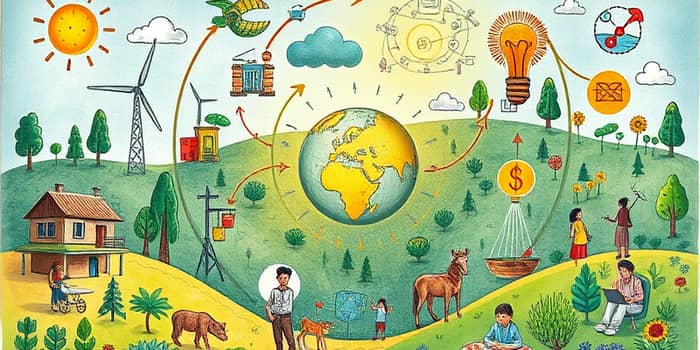
The global economy is at a crossroads: continue with one-way resource flows or embrace a regenerative, circular approach. Financing lies at the heart of this transformation.
Traditional, linear supply chains move goods from raw materials to end consumers with limited regard for environmental or social impacts. This one-directional model contributes to resource depletion, waste accumulation, and unchecked carbon emissions.
By contrast, living supply chains prioritize circular, regenerative resource flows, ethical labor and sourcing, and transparent operations from end to end. Companies that adopt sustainable models address climate change, meet regulatory pressures, and satisfy the rising demands of consumers and investors.
Shifting from a linear to a living supply chain requires substantial investment. Yet, financing sustainable transitions faces multiple obstacles.
A range of mechanisms has emerged to support sustainable supply chain finance (SSCF). These instruments link funding to performance and streamline cash flows.
Advancements in technology are catalysts for sustainable finance. By embedding digital tools, stakeholders can automate processes, reduce risk, and enhance credibility.
Key technologies include:
Several global leaders have pioneered sustainable supply chain finance, showcasing the model’s viability and impact.
When financing is aligned with sustainability, everyone wins:
Transitioning to living supply chains demands a structured approach. Corporations, SMEs, and banks can follow these steps:
First, conduct a comprehensive ESG audit to identify gaps and set clear, measurable targets. Next, select financing instruments that align with your roadmap—green loans for infrastructure upgrades or SLLs for meeting KPI milestones. Engage digital partners to implement blockchain traceability and AI-driven risk assessments. Finally, maintain transparent reporting and continuous improvement cycles to sustain momentum.
Imagine a network where financing flows fluidly in response to real-time sustainability achievements. This is a living supply chain: dynamic, adaptive, and fully transparent.
Farmers upgrade to regenerative agriculture with instant credit upon carbon capture verification. Manufacturers trigger payments via smart contracts when waste reduction thresholds are met. Retailers access a digital marketplace to trade tokenized green assets. Financial institutions leverage AI to underwrite risk faster and more equitably.
This ecosystem fosters innovation, resilience, and equitable growth—crucial elements as we face climate urgency and social equity demands. By merging finance, technology, and purpose, we can transform supply chains into living networks that nourish people and planet.
References