In a world grappling with environmental crises and food security challenges, regenerative agriculture stands out as a powerful solution. Driven by unprecedented investment and innovation, this movement is transforming farmland into carbon sinks, enhancing biodiversity, and boosting farmer livelihoods.
This article explores how capital is flowing into climate-smart and sustainable farming, why stakeholders are excited, and what actionable opportunities lie ahead for investors, farmers, and policymakers.
At its core, regenerative agriculture is a holistic approach to farming that restores soil health, enhances biodiversity, and increases resilience. Unlike traditional or merely sustainable methods, it emphasizes continuous improvement, leveraging natural processes to create self-sustaining ecosystems.
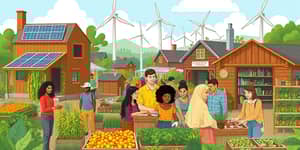
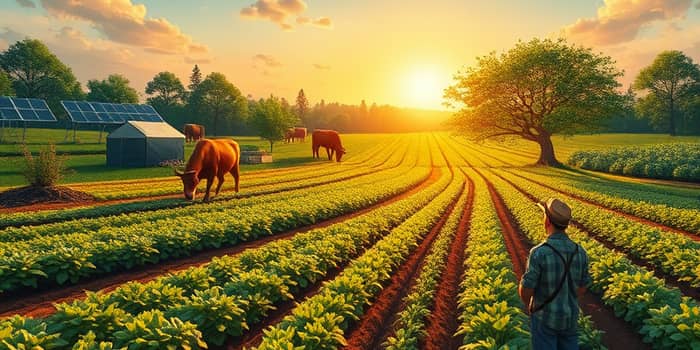
Principles include minimal soil disturbance, cover cropping, agroforestry, holistic livestock management, and integration of renewable energy on farms. Together, these practices sequester carbon, recycle nutrients, and conserve water, delivering both environmental and economic returns.
The regenerative agriculture market is experiencing explosive growth. Estimates for 2025 range from USD 9.2 billion to USD 15.38 billion, driven by rising consumer demand and policy incentives. By 2030, projections converge around USD 18.3 billion.
Longer-term forecasts are even more ambitious: by 2033–2035, the market could reach anywhere from USD 21.5 billion to USD 72.21 billion, reflecting a compound annual growth rate (CAGR) between 14% and 18.7%.
Multiple catalysts are accelerating investment into regenerative agriculture:
As brands pledge to procure from regenerative systems and farmers seek to diversify income, these drivers form a virtuous cycle of adoption and scale.
Investors are finding multiple avenues to generate returns while supporting ecological restoration. Carbon credits traded on emerging marketplaces enable farmers to monetize sequestered carbon. Soil health improvements also translate into tangible benefits:
Together, these revenue streams can transform a farming business into a diversified income generator, appealing to impact investors and traditional financiers alike.
The competitive landscape is evolving rapidly. Key global players include Indigo Ag, Bayer, Syngenta, Terramera, and Soil Capital. These companies are integrating biological solutions, advisory services, and fintech tools into unified platforms.
Start-ups and regional specialists are also forging partnerships to deliver localized expertise. Whether through AI-driven advisory apps, satellite monitoring, or next-generation biofertilizers, innovation is democratising access to best practices.
North America holds roughly 37% of the global market, propelled by USDA’s climate-smart grants and a well-developed carbon-credit infrastructure. Leading U.S. farms are reporting soil organic matter increases of 15–25% within five years.
Europe is building scalable carbon marketplaces and offering direct payments for ecosystem services, while Asia-Pacific focuses on biodiversity risk mitigation and digital inclusion of smallholder farmers. Emerging markets in Latin America and Africa are attracting impact capital to combat land degradation.
Despite the promise, certain challenges remain:
Solutions are emerging: transition funds, cooperative models, outcome-based finance, and educational platforms are reducing risk and building farmer capacity.
Beyond financial returns, regenerative agriculture delivers significant sustainability outcomes. Healthy soils improve water retention by up to 30%, reducing irrigation needs and flood risk.
Soil health management practices boost nutrient cycling and foster biodiversity, from soil microbes to pollinators. Landscape-level impacts include restored wetlands, carbon-rich grasslands, and scenic agroforestry corridors.
Communities benefit too: resilient farms enhance food security, generate rural employment, and foster social cohesion through cooperative enterprises.
The regenerative agriculture revolution is still in its early innings. As digital tools, outcome-based contracts, and green bonds gain traction, adoption is likely to accelerate exponentially between 2025 and 2035.
Stakeholders can seize this moment by:
By aligning capital with natural processes, we can cultivate a future where agriculture not only sustains life but actively regenerates the planet.
References