In an era where corporate success is measured by more than just dollars, the triple bottom line (TBL) has emerged as a guiding principle for businesses striving to generate value for all stakeholders. This accounting and sustainability framework redefines how organizations approach strategy, emphasizing a balanced integration of social, environmental, and economic outcomes.
By elevating people and planet to the same level as profit, the triple bottom line reflects a shift from shareholder primacy to long-term stakeholder value creation. Companies are now judged on their broader contributions to society and the environment, driving innovation and resilience in the face of global challenges.
The TBL concept was first introduced by sustainability pioneer John Elkington in 1994. Frustrated by the narrow focus on profit, Elkington proposed expanding the metrics of success to include social equity and environmental stewardship.
Initially championed by Western European firms, especially in the Netherlands and the United Kingdom, the idea gained traction as leading companies sought to align with emerging societal expectations. Over time, the TBL framework evolved into a versatile model for businesses, governments, and nonprofits worldwide.
Today, over half of the Fortune Global 500 reference sustainability frameworks in their annual reports, signaling a powerful global shift toward integrated reporting and responsible governance.
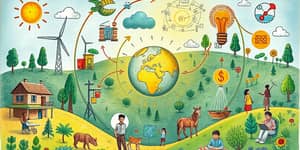
At its core, the triple bottom line framework rests on three equally important pillars. Each pillar represents a domain where businesses must excel to achieve sustainable success:
By tracking these metrics, organizations can gain insight into their broader impact and make data-driven decisions that support sustainable growth.
Implementing this model means moving beyond isolated efforts to embrace an interconnected vision where actions in one domain reinforce progress in another.
In today’s business landscape, performance is judged by a growing coalition of stakeholders—including customers demanding transparency, regulators enforcing sustainability reporting, and investors seeking responsible opportunities. A commitment to the TBL can yield multiple benefits:
Recent surveys show that approximately 67% of global consumers prefer sustainable brands, and organizations with robust ESG reporting often outperform peers in market valuation.
Furthermore, companies adopting sustainability frameworks report up to 20% lower operating costs and a 30% reduction in employee turnover, demonstrating clear ROI for TBL strategies.
Transitioning to a triple bottom line model requires intentional planning, cross-functional collaboration, and clear goals. Successful strategies include:
Embedding these practices into governance and daily operations fosters accountability and continuous improvement across all three pillars.
For many companies, appointing a chief sustainability officer and creating cross-departmental task forces can accelerate alignment with TBL objectives.
Leading companies have demonstrated the tangible value of the triple bottom line concept through creative programs and sustained commitments:
These case studies highlight how strategic investments in social and environmental initiatives can generate positive feedback loops that reinforce profitability and brand equity.
While the TBL offers a compelling vision, implementation is not without obstacles. One major challenge is the complexity of measuring social and environmental outcomes, which often lack universally accepted methodologies.
Organizations may struggle to assign monetary value to intangibles such as community empowerment or biodiversity gains. Frameworks like the Global Reporting Initiative (GRI) and the Sustainability Accounting Standards Board (SASB) provide guidance, but interpretation can vary across industries and regions.
Balancing immediate financial returns with long-term sustainability investments can create tension among stakeholders. In some cases, progress in one pillar may require trade-offs in another, requiring careful prioritization and transparent communication.
Finally, the risk of greenwashing is real. Superficial claims without verifiable action can damage trust. Companies must pursue authenticity and transparent corporate practices, backed by third-party assurance and stakeholder engagement.
As sustainability moves from niche to mainstream, several emerging trends are reshaping the TBL landscape:
Technological breakthroughs—like blockchain for supply chain transparency and AI-driven risk assessment—are enhancing capacity to measure and manage TBL performance.
As these innovations mature, the TBL framework will continue to guide organizations toward sustainable, resilient, and equitable growth.
The triple bottom line challenges businesses to transcend traditional priorities and embrace a holistic approach to value creation. By intentionally aligning far-reaching environmental impact metrics with social equity and economic viability, organizations can forge resilient, purpose-driven models.
Leaders must champion cross-functional collaboration, invest in reliable data systems, and cultivate a culture of transparency and responsibility. These efforts build trust with stakeholders and lay the foundation for enduring success.
Ultimately, the harmony of people, planet, and profit is not an idealistic aspiration but a practical imperative. As companies navigate a world of growing complexity and urgency, the triple bottom line offers a timeless framework for achieving sustainable prosperity that benefits all.
References