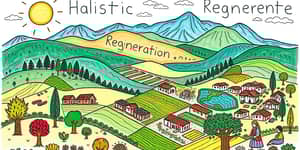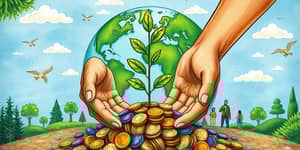
Across the world, individuals are harnessing collective effort to revitalize ecosystems and communities.
Crowdfunding is a method that allows visionaries to raise capital directly from a broad public through online platforms. Instead of relying solely on banks, grants, or large investors, project leaders tap into the goodwill and financial power of many individuals. In the context of regeneration—be it soil, energy, ocean, or food systems—this approach funds decentralized, community-focused initiatives often overlooked by traditional finance.
Today’s regenerative projects face significant access to finance as a major barrier. Small-scale farmers, coastal restoration advocates, and nascent renewable-energy entrepreneurs frequently find traditional loans and grants either unavailable or too rigid. These initiatives require upfront investment for infrastructure, research, or equipment, costs that can be prohibitive for grassroots practitioners. Crowdfunding steps in to bridge this gap, enabling local actors to secure the resources they need without sacrificing autonomy.
By opening funding to anyone willing to contribute, crowdfunding democratizes access to critical capital. This process cultivates a sense of community ownership and shared purpose, forging direct connections between supporters and projects on the ground. Whether it’s urban farmers in Detroit or ocean-cleanup engineers, backers become stakeholders in environmental renewal, often receiving real-time updates and invitations to participate in on-site activities.
Metrics underscore the transformative potential of crowdfunding for regeneration. On Barnraiser, specialized in sustainable food and agriculture, campaigns hit their goals at a 60% success rate, nearly double that of general crowdfunding platforms. Indiegogo’s “TreePeople” urban tree-planting campaign in Los Angeles captured over $100,000 from more than 1,000 backers. The Ocean Cleanup energized global supporters via Kickstarter, while Advancing Eco Agriculture raised over $2.2 million on Wefunder to scale regenerative farming solutions. Beneath these headline figures, smaller campaigns thrive: European farmers on MiiMOSA average €2,000 per project, and product-based campaigns for hydroponic kits have drawn $180,000–$250,000.
Numerous platforms tailor their models to regenerative initiatives, each offering unique benefits:
Real-world examples illustrate crowdfunding’s reach:
In Detroit, Steward enabled urban farmers to secure a $120,000 mortgage loan to expand city agriculture. A Montana bison ranch raised $85,000 for land restoration, supplemented by matching grants. Indiegogo’s Modular Urban Farming Kit campaign gathered $180,000, refining designs and mass production. StartSomeGood’s Community Agroforestry Initiative mobilized $60,000 for a rural agroforestry network. Meanwhile, The Ocean Cleanup and TreePeople have galvanized global audiences, translating small pledges into systemic ecological interventions.
Successful campaigns yield more than funds. They drive community engagement and ecological awareness, forging bonds between urban supporters and rural practitioners. Transparent updates and participatory events deepen public understanding of soil health, renewable energy, and marine conservation. Educational components—webinars, site tours, progress dashboards—transform backers into advocates and learners, amplifying impact far beyond the initial financial contribution.
While powerful, crowdfunding carries pitfalls. Average success rates range from 30% to 60%, depending on platform and niche. Campaign failure can erode trust, making clear storytelling and achievable goals essential. Regulatory constraints complicate equity and debt models, requiring legal compliance and financial reporting. Long-term sustainability often demands follow-up funding from grants, co-ops, or revenue streams. Product-based campaigns face fulfillment risks: delivering promised rewards on time and within budget.
Looking ahead, we can expect more specialized platforms dedicated to sustainable and climate-focused campaigns, rising engagement from climate-conscious generations, and regulatory innovations that unlock new asset classes like tradable environmental credits. By tapping into the transformative power of collective giving, crowdfunding stands poised to accelerate ecological regeneration at unprecedented scale.
References