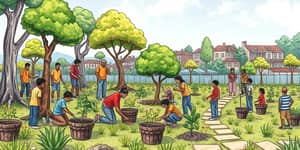
Our world stands at a crossroads as climate extremes intensify, biodiversity declines, and resource security falters. Amid this crisis, time-honored Indigenous wisdom offers a proven pathway to resilience. Far beyond romantic notions of tradition, these practices embody cutting-edge ecological design. By recognizing and investing in Indigenous regenerative methods, we can unlock powerful benefits for soil health, water management, carbon sequestration, and community well-being.
Indigenous regenerative practices center on ecosystem health, reciprocity, and sustainability. At their heart lies an intimate understanding of local landscapes and species interactions. Techniques range from minimal soil disturbance to polyculture plantings, agroforestry, prescribed fire, and natural composting. Each approach aims to mimic or enhance natural cycles rather than dominate them.
Key principles include water harvesting earthworks, integrated crop-livestock systems, and knowledge sharing. Communities pass wisdom across generations, ensuring that insights into drought-resistant plants, soil inoculants, or pest management evolve with changing conditions.
Long before modern regenerative agriculture emerged, Indigenous peoples stewarded landscapes with remarkable precision. The Three Sisters system—corn, beans, and squash—thrived across North America, while Hohokam canals and Zuni runoff diversions transformed arid terrain into productive fields. These methods fed communities and supported rich biodiversity for centuries. Today, researchers and farmers revisit these strategies, uncovering quantitative evidence of centuries-old resilience in action.
By blending ancestral knowledge with modern science, farmers amplify soil carbon storage, conserve water, and restore wildlife habitats at scale, forging a bridge between past and future.
Indigenous methods deliver measurable gains in environmental health and climate mitigation. From intercropping to agroforestry, these systems bolster ecosystem complexity and increase carbon capture. The integration of drought-resistant species like agave or yucca stabilizes soils and sustains yields in water-scarce regions.
By restoring local ecosystem complexity, communities reduce dependence on chemical inputs, lower erosion, and build long-term adaptive capacity.
Beyond the environment, Indigenous regenerative approaches generate tangible economic and social benefits. Farms such as Chelenzo Farms in New Mexico report thriving operations without synthetic inputs, drawing volunteers and workshop fees to support local livelihoods.
These outcomes strengthen rural economies, foster food sovereignty, and create platforms for youth engagement and cultural restoration.
Across North America, inspiring examples showcase the power of Indigenous regeneration:
Chelenzo Farms hosts volunteer events that planted 460 succulents, including 300 agaves, in June 2023. With USDA and state support, they built buffer strips, Zuni bowls, and expanded a dryland food forest. Wombyn’s Wellness Garden restores traditional foods while offering family-centered wellness programs. Meanwhile, Three Sisters polyculture continues to outyield monocultures by optimizing nutrient, light, and water use.
Despite clear benefits, barriers remain. Indigenous communities often lack access to land, capital, and markets due to historic injustices. Intellectual property concerns surface when traditional knowledge is commercialized without fair allocation of benefits.
Responsible investment must prioritize fair compensation for Indigenous knowledge and empower local leadership. Ethical partnerships respect sovereignty, share decision-making, and reinvest profits into community development.
To unlock this potential, stakeholders can pursue collaborative, well-structured strategies. Governments, NGOs, academic institutions, and private investors each have a role in fostering resilient food systems.
Through inclusive governance and targeted support, regenerative solutions can spread across diverse biomes and socio-economic contexts.
Investing in Indigenous regenerative practices is not a charitable gesture—it is a strategic imperative. By honoring traditional stewardship and fostering equitable partnerships, we generate robust climate resilience, boost food security, and revitalize rural economies. The time is now to champion a global movement that melds ancestral wisdom with modern innovation. Let us commit to responsible investment in these proven strategies and forge a sustainable future for all.
References