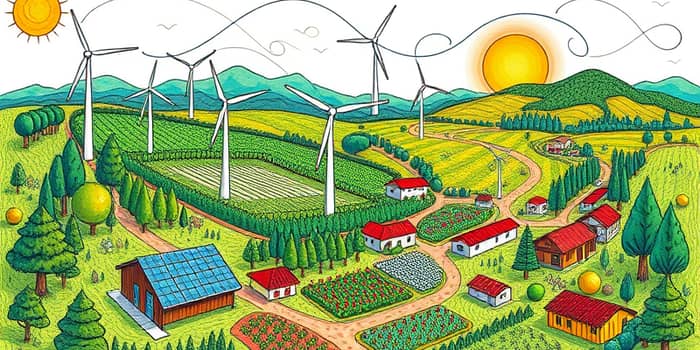
In a world facing unprecedented environmental and social challenges, traditional investment models that focus solely on financial gain are no longer sufficient. Today’s investors are seeking pathways to align capital with purpose, creating portfolios that not only generate returns but also help heal the planet and uplift communities. This movement, known as regenerative finance, offers a powerful framework to channel capital into projects that restore ecosystems, empower local stakeholders, and build long-term resilience.
Regenerative finance represents a fundamental shift from the old models of extraction and short-term profit. Instead of isolating financial returns from ecological and social outcomes, it embraces the idea that money, people, and nature form an integrated, living systems framework. By adopting systems thinking across every investment decision, investors can ensure that each dollar deployed contributes to both returns and real-world renewal.
This approach goes beyond ESG or SRI strategies that primarily screen out harmful activities. Regenerative investing actively seeks opportunities that restore soil health, revitalize underserved communities, and expand biodiversity. It asks not just “Will I make money?” but also “How can my capital leave this world stronger than I found it?”
At its heart, regenerative finance rests on a set of guiding values that redefine wealth and reshuffle priorities. These principles serve as the compass for constructing a truly transformative portfolio:
These pillars reshape the investor’s role from detached financier to active steward, weaving finance into a broader tapestry of ecological and social well-being.
Regenerative portfolios span a range of sectors where capital can catalyze profound positive change. Below is a snapshot of three core areas:
Regenerative Agriculture has demonstrated compelling financial performance, with leading funds reporting internal rates of return in the mid-teens or higher. Beyond returns, these investments rebuild topsoil, sequester carbon, and support food security for local communities. Meanwhile, decentralized renewable microgrids in rural areas provide clean power, spur economic activity, and foster energy sovereignty.
The Regenerative Landscapes approach unites agriculture, forestry, conservation, and development in a single strategy, ensuring that every acre contributes to ecological balance and social prosperity. Blended finance structures and public policy alignment help de-risk these projects, making them accessible to a wider range of investors.
Building a portfolio with intention requires a structured process that melds personal values with rigorous analysis. Begin by exploring your core motivations—whether climate action, community empowerment, or biodiversity restoration—and use those as your investment north star.
Well-managed portfolios often include a mix of farmland investment funds, renewable energy projects, community loan programs, and blended finance vehicles. By diversifying across asset classes, you can mitigate volatility, capture emerging opportunities, and maintain robust returns while regenerating natural systems.
Rigorous measurement is essential to ensure that regenerative investments deliver on both financial and ecological promises. Key performance indicators include:
Advanced data platforms and interoperable verification systems provide transparency and accountability. By capturing and reporting these metrics, investors can continually refine strategies, scale successful models, and share best practices across the regenerative finance ecosystem.
As global challenges intensify, the imperative to invest with intention has never been clearer. Regenerative finance bridges the gap between capital and care, offering a roadmap to nurture both returns and renewal. By adopting patient capital spanning decades and centering local communities drive decision-making, investors can contribute to a future where economies thrive in harmony with nature.
This journey requires courage, collaboration, and a willingness to look beyond conventional metrics. Yet the rewards—resilient landscapes, empowered societies, and sustainable prosperity—are immeasurable. Now is the moment to transform portfolios into instruments of healing, legacy, and lasting impact.
References