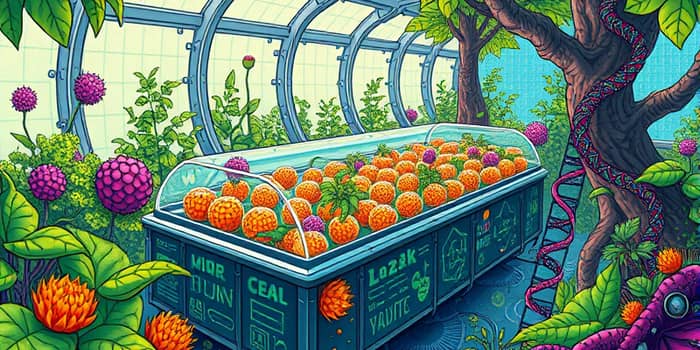
Synthetic biology is transforming our fight against climate change, offering both radical new tools and inspiring a wave of bio-driven innovation. From engineered microbes to venture-backed bioindustries, this emerging field holds the promise of putting the planet’s carbon cycle back on track.
In climate policy, reducing emissions is often likened to taking foot off the accelerator. But experts stress that true mitigation demands putting on the brakes via NETs—Negative Emissions Technologies that actually remove existing CO₂ from the atmosphere.
Synthetic biology rewrites nature’s instruction book, using tools like CRISPR, DNA synthesis, and standardized biological parts to engineer living systems. This approach goes beyond replacing fossil fuels with biofuels—it aims to embed carbon capture and circularity into the very fabric of industrial processes.
As Stanford professor Michael C. Jewett notes, “Synthetic biology advances our ability to engineer living systems to address some of the world’s biggest sustainability challenges, allowing us to rethink how we meet human needs on a planetary scale.”
Numerous breakthroughs highlight synthetic biology’s potential to accelerate climate solutions. Below is a snapshot of key innovations and their impacts:
Other advances include ML-guided design platforms that ML makes SynBio fast and accessible, cellular agriculture for meat alternatives, and microbial solutions for biodiversity protection and pollution cleanup. Companies like LanzaTech have already scaled gas fermentation to industrial levels, proving lab concepts can achieve real-world impact.
Over the past five years, biotech venture investment has oscillated through highs and lows, yet a new narrative is emerging: climate-focused SynBio is capturing investors’ attention.
Investors are increasingly drawn to clear commercialization paths and scalable technologies. The concept of engineered microbes as mini-factories for circular economies is no longer theoretical—it is fast becoming a core element of climate finance strategies.
Despite immense promise, synthetic biology faces hurdles that require careful navigation:
Policymakers and ethicists warn against viewing NETs as a simple technofix. Rigorous risk assessment, transparent governance, and international collaboration are critical to ensure safety and public trust.
The next decade will be pivotal for unleashing bio-capital in service of the climate. Key trends to watch include:
By 2030, a successful bio-based economy could redefine industrial production, energy systems, and agriculture. As we chart this course, stakeholders must balance innovation with stewardship, ensuring that each breakthrough is guided by both ethical foresight and scientific rigor.
Synthetic biology stands at the crossroads of science, investment, and policy. Its tools offer a chance to not only decelerate the drivers of climate change, but to actively reverse damage by sequestering carbon, restoring ecosystems, and forging sustainable supply chains.
Mobilizing economic sustainability and planetary resilience will require coordinated action from researchers, entrepreneurs, investors, and governments. By channeling bio-capital into responsible innovation, we can transform potential into progress, ensuring a livable planet for generations to come.
References