As the global energy landscape shifts toward renewables, grid operators face unprecedented complexity. Aging infrastructure, rising demand, and the intermittent nature of wind and solar power demand innovative approaches. Digital twins offer real-time insights into grid performance, enabling utilities to invest wisely and ensure reliable, low-carbon electricity for all.
At its core, a digital twin is a virtual replica of a physical system—whether a transmission network, a substation, or an entire grid. Fueled by advances in computing power, IoT sensors, and high-speed communication, these models process data from thousands of grid points simultaneously.
By integrating AI and machine learning algorithms, digital twins can simulate extreme weather events, forecast equipment failures, and optimize power flows. This proactive management approach shifts utilities from reactive troubleshooting to predictive maintenance, reducing downtime and improving reliability.
Integrating distributed energy resources (DERs) like rooftop solar and wind farms introduces volatility. Reverse power flows, voltage spikes, and imbalances can cascade through the network if left unmanaged. Utilities must anticipate these fluctuations to maintain grid stability.
Digital twins address these challenges by creating a sandbox environment for scenario testing. Operators can:
This data-driven decision framework supports higher renewable penetration while safeguarding against outages.
Traditional maintenance models rely on scheduled inspections or reactive repairs after failures—often too late and costly. Digital twins continuously monitor asset health using sensor feeds, detecting subtle anomalies before they escalate.
Consider wind turbines: deviations in vibration or temperature can signal impending wear. A digital twin flags these irregularities, prompting targeted inspections and timely interventions. The result is extended equipment lifespans and lower costs.
Battery Energy Storage Systems (BESS) play a pivotal role in smoothing renewable output. Without intelligent controls, stored energy may be deployed inefficiently, wasting capacity or delaying discharge during critical demand peaks.
Digital twins analyze real-time production and consumption data, fine-tuning energy dispatch strategies. By forecasting dips in solar or wind generation, they ensure stored reserves are deployed precisely when needed. This reduces reliance on carbon-heavy peaking plants and cuts emissions.
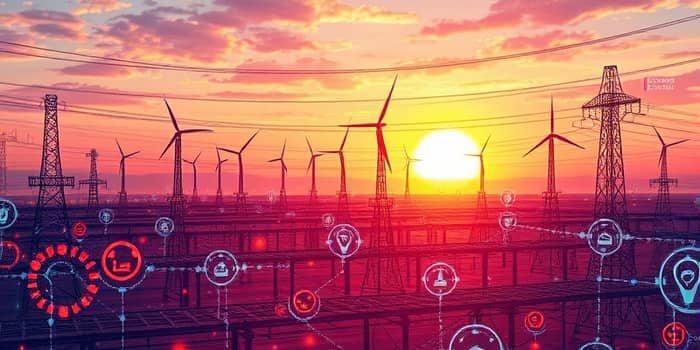
Beyond maintenance and storage, digital twins deliver sweeping operational gains. Real-time monitoring tracks voltage levels, power flows, equipment temperatures, and loading patterns across the entire network. Subtle anomalies are detected instantly, allowing for rapid resolution.
Advanced modeling functions enable optimal switching configurations that maintain stability while minimizing losses. Dynamic workload shifting—especially in energy-intense data centers—can route demands to regions with abundant renewable energy, further reducing carbon footprints.
Resilience features include modeling grid behavior during hurricanes, floods, and heatwaves, and planning targeted resource deployment. Integrated cybersecurity protocols protect both physical and digital assets from emerging threats.
As digital twins evolve from simulation tools into operational platforms, new business models emerge. Peer-to-peer energy trading, community microgrids, and prosumer participation are coordinated through unified digital environments. Millions of small-scale producers and consumers can interact seamlessly, boosting grid flexibility.
Data centers, under pressure from AI-driven compute demands, benefit from dynamic workload placement. Digital twins route processing loads to regions with strong renewable generation, driving greener AI computation and easing net-zero goals.
Key investment areas include distribution automation, DER expansion, EV charging infrastructure, and IoT deployment. Stakeholders—utilities, technology providers, regulators, and research institutions—must collaborate to lower adoption barriers and develop inclusive transition strategies.
Digital twins represent a transformational leap for grid modernization. By harnessing real-time data and predictive analytics, they empower utilities to integrate renewables at scale, optimize asset performance, and enhance resilience. Strategic investments in this technology are not just cost-effective—they are vital for accelerating the shift toward a sustainable, reliable energy future.
References