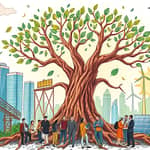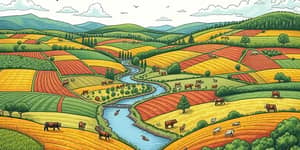
In a world driven by quarterly returns and rapid technological breakthroughs, there is a profound opportunity to recalibrate our priorities by honoring and investing in enduring knowledge systems. Traditional Ecological Knowledge (TEK) offers not only a path to ecological resilience but also a transformative model for finance. By weaving centuries-old wisdom into contemporary impact investing, we can cultivate a legacy of sustainable stewardship that benefits communities, ecosystems, and investors for generations to come.
Across continents and cultures, Indigenous and local peoples have amassed a living body of ecological insight through direct immersion in their homelands. These knowledge traditions are not static archives; they evolve through practice, ceremony, oral histories, and communal responsibility. Recognizing TEK as more than data—understanding it as a relational system that integrates spirit, ethics, and ecological observation—redefines the very nature of what we value in finance.
At its core, TEK is an evolving knowledge acquired by Indigenous and local peoples over hundreds or thousands of years through observations of plants, animals, landscapes, and natural phenomena. This place-based understanding informs hunting, fishing, agriculture, forestry, and resource governance in ways that Western science alone cannot replicate. Rather than reducing ecosystems to exploitable units, TEK fosters holistic relationships among all living things and the forces that shape them.
Some communities prefer the term “tribal ecological knowledge” to emphasize the dynamic, living nature of their traditions. By anchoring TEK within its cultural and spiritual contexts, investors and institutions can ensure respectful engagement and equitable partnerships.
Climate change presents novel challenges—erratic weather patterns, shifting species distributions, intensifying fires, floods, and droughts. Yet TEK communities have navigated climatic swings for millennia by observing subtle cues: flowering times, animal migrations, water levels, and seasonal winds. These place-based adaptations form the backbone of nature-informed adaptive strategies that anticipate change and guide sustainable harvests, land rehabilitation, and water management.
For example, in parts of the Pacific Northwest, Indigenous fire stewardship—controlled burns timed with traditional seasonal calendars—enhances forest health, reduces catastrophic wildfire risk, and promotes habitat diversity. In Arctic regions, Inuit hunters rely on ice thickness indicators passed down through generations to plan safe travel routes. By integrating these time-tested practices, investors can back projects that bolster on-the-ground resilience and deliver reliable returns through risk mitigation and ecosystem services.
Modern finance excels at channeling funds into physical assets, digital platforms, and workforce development. Yet an essential dimension remains underfunded: wisdom infrastructure. This comprises the networks, institutions, and practices that nurture ethical discernment, embodied insight, and relational depth. Just as we build roads and data centers, we must support spaces where knowledge holders can teach, learn, and adapt.
TEK exemplifies wisdom infrastructure in action. It has been embedded into formal policy through bodies like the Commission for Environmental Cooperation’s Expert Group on Traditional Ecological Knowledge, reflecting its rising institutional legitimacy. Investors who fund knowledge exchanges, community-led research, and co-management agreements are effectively financing this critical infrastructure.
Shifting capital toward TEK requires new frameworks and safeguards. The following principles can guide responsible investors:
By adopting these principles, financial institutions can mitigate governance risk, honor community rights, and generate sustainable outcomes that align with both ecological health and social justice.
Dominant financial paradigms often treat nature as external “natural capital,” divorced from human systems. TEK challenges this separation by asserting that humans are part of nature and bear duties of care and reciprocity. This worldview shift demands that investors see ecosystems as living partners rather than inert assets.
Moreover, TEK underscores the importance of governance: who holds decision-making authority, how consent is obtained, and how benefits flow back to communities. Respecting these governance structures reduces conflict, enhances project legitimacy, and fosters long-term stewardship commitments.
Translating TEK principles into investment portfolios can take various forms. Blended finance vehicles can allocate grant and equity tranches to support community-led land management trusts. Impact bonds can tie returns to quantifiable improvements in biodiversity, water quality, or fire resilience. Venture funds can underwrite Indigenous enterprises that commercialize traditional products—such as sustainable timber, non-timber forest goods, or medicinal plants—while reinvesting profits into cultural renewal programs.
Measuring success means looking beyond short-term revenue. Key performance indicators might include increases in local food security, reductions in wildfire frequency, restoration of wetlands, or revitalization of endangered languages. By embedding qualitative metrics alongside quantitative benchmarks, investors acknowledge that resilient ecological and social systems are interdependent.
Investing in Traditional Ecological Knowledge is more than a moral imperative—it is a strategic advantage. By expanding the definition of capital to include wisdom systems, finance can support intergenerational knowledge transmission that fortifies ecosystems and societies against mounting uncertainties. Investors who embrace this holistic vision will not only unlock novel return streams but will also leave behind a legacy of harmony between people and planet.
As we face cascading environmental and social challenges, the call to action is clear: it is time to invest in wisdom infrastructure with the same vigor we devote to technology and real estate. In doing so, we honor the custodians of ancestral knowledge, catalyze climate resilience, and redefine what true value looks like in the twenty-first century.
References