As the world’s power systems evolve, smart grids stand at the forefront of a revolutionary transformation. By integrating advanced digital capabilities, these networks empower utilities and consumers to extract unprecedented value from every kilowatt-hour. This article explores how smart grids drive financial savings, boost reliability, accelerate renewable integration, and pave the way for a resilient, low-carbon future.
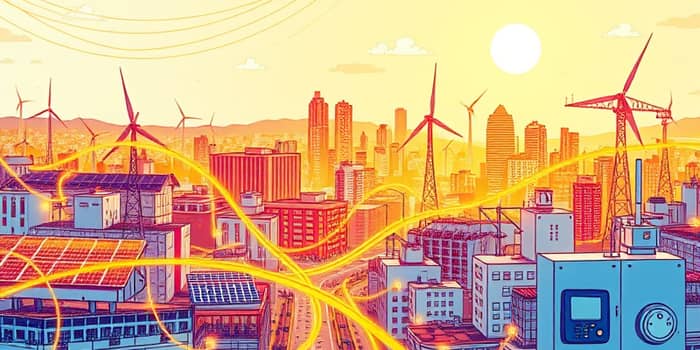
At their core, smart grids upgrade legacy systems with intelligent components that sense, analyze, and react in real time. Rather than a one-way electricity delivery, they rely on digital technologies, sensors, and software to match supply and demand as conditions change. From automated fault detection to two-way data streams, smart grids turn passive infrastructure into an adaptive, responsive network for modern energy challenges.
Traditional electricity networks were designed for centralized generation feeding unidirectional power lines. While this served past decades well, rising demand, distributed renewables, and aging assets have exposed limitations. Without continuous visibility or dynamic controls, conventional grids suffer from higher losses, slower outage recovery, and constrained capacity, leading to escalating costs and environmental pressures.
Optimization lies at the heart of smart grid benefits. By leveraging real-time data and automation, these systems minimize transmission and distribution losses, balance load fluctuations, and prevent overloads. Every megawatt sent across the network is monitored, controlled, and adjusted to ensure maximum asset utilization and operational efficiency, driving down waste and smoothing peak demands.
Smart grids deliver lower operational costs and management overhead by reducing manual interventions and optimizing scheduling. Automated feeder switches and intelligent relays detect issues instantly, avoiding lengthy outages and expensive repairs. Additionally, dynamic pricing encourages consumers to shift usage away from peaks, cutting the need for costly peaker plants and translating to potential savings on monthly bills.
Enhanced reliability is a hallmark of modernized grids. With automated fault detection and rerouting, utilities can respond to disturbances within seconds. Self-healing networks isolate damaged segments and restore power automatically, while predictive maintenance identifies equipment at risk of failure before an outage occurs. This resilient, adaptive infrastructure significantly reduces downtime and strengthens grid security.
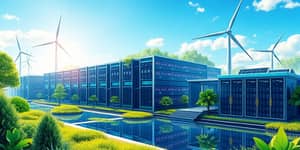
Variable generation from solar and wind demands sophisticated balancing tools. Smart grids meet this need by coordinating storage resources, demand response, and flexible generation in real time. Two-way power flow allows rooftop solar owners to feed excess energy back into the network, while advanced forecasting and dispatch systems ensure smooth coordination, enabling higher renewable penetration and lower carbon footprints.
Smart meters and intuitive consumer portals provide near-instantaneous feedback on usage trends, costs, and carbon impact. Armed with these insights, households and businesses can adjust behaviors to save money and reduce emissions. Meanwhile, utilities benefit from data-driven decision making for asset management, improved grid planning, and strengthened customer engagement, fostering a win-win dynamic across the energy ecosystem.
Despite the compelling advantages, smart grid deployment faces hurdles. Significant upfront investment, interoperability concerns, and evolving cybersecurity threats require careful planning and robust policies. Regulatory frameworks must incentivize modernization and set clear standards. Looking ahead, innovations like microgrids, AI-driven forecasting, blockchain-enabled transactions, and solid-state transformers will further enhance grid resilience and flexibility.
By embracing these advancements, stakeholders can unlock the full potential of smart grids—creating long-term sustainable returns on energy infrastructure while accelerating the transition to a cleaner, more secure power future.
References