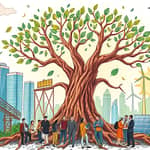
Traditional financial statements capture cash, assets, and liabilities, but they overlook the very foundations of life. As our economies expand, we often create an illusion of wealth while depleting the ecosystems that sustain us. A holistic balance sheet addresses this blind spot by integrating natural, social, and produced capital into a single framework.
By recognizing the true value of our environment and community health, we can pursue growth that is resilient and equitable. This article explores how household wellbeing, corporate responsibility, and national accounting can converge through ecosystem metrics and benefit-relevant indicators.
Conventional accounting measures focus on financial and manufactured capital—machinery, buildings, marketable securities—while ignoring the value of forests, wetlands, and pollinators. This narrow focus leads to policies and decisions that prioritize short-term profits at the expense of long-term sustainability.
Without capturing the flows of ecosystem services or the state of environmental assets, companies and governments risk underestimating liabilities arising from resource depletion, pollution, and social costs. As a result, growth figures can rise even as biodiversity declines, water quality deteriorates, and community health suffers.
Natural capital represents the ecosystem assets and services that underpin human wellbeing. These include forests that sequester carbon, wetlands that filter water, and pollinators that support agriculture.
The UN–adopted System of Environmental-Economic Accounting – Ecosystem Accounting (SEEA EA) provides a coherent framework to integrate these assets and flows alongside economic data. It comprises five core accounts:
By aligning these accounts with national statistics, SEEA EA reveals how ecosystem changes impact economic output and human welfare, guiding policies toward true sustainability.
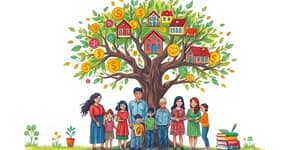
At the household level, a holistic approach to wellness goes beyond diet and exercise. It encompasses financial security and a nurturing home environment. Just as ecosystems require balance, so do our personal lives.
Key elements of a personal holistic balance sheet include:
When financial, environmental, and social assets are in harmony, individuals thrive—mirroring the balance required in broader ecosystems.
Businesses increasingly recognize that their operations depend on natural resources and healthy communities. Forward-thinking companies integrate natural capital accounting into sustainability reports, measuring resource use, emissions, and ecosystem impacts.
For example, a food manufacturer might track water used per unit of product and the condition of watersheds supplying raw materials. By valuing these services, firms can set ambitious targets for restoration and reduce risks linked to resource scarcity.
Benefit-relevant indicators (BRIs) help corporations link ecological changes directly to stakeholder outcomes. A BRI for pollination might connect habitat loss to crop yield reductions, highlighting the human and economic stakes of biodiversity loss.
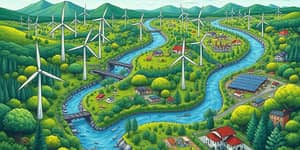
Countries from Canada to Costa Rica have adopted SEEA EA to inform land-use planning, climate policy, and infrastructure investments. Spatially explicit accounts map ecosystem services to beneficiaries, ensuring that those most vulnerable receive protection.
Consider flood regulation: a BRI could quantify the number of properties shielded by wetland conservation. This non-monetary metric speaks directly to human wellbeing, even without assigning dollar values.
When governments report ecosystem assets alongside produced capital, they can prioritize restoration projects, incentivize conservation, and craft tax policies that reflect true societal costs.
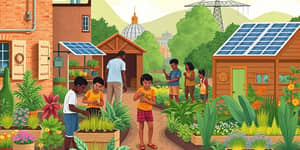
Transforming our accounting systems requires collaboration among individuals, businesses, and policymakers. Key actions include:
By weaving ecosystem values into everyday decisions, we can create resilient economies and communities. A holistic balance sheet is not an abstract concept—it is a blueprint for a future where people, nature, and economies thrive together.
Embracing comprehensive accounting transforms our relationship with the planet. It challenges us to recognize that wealth extends beyond bank balances to the vitality of our ecosystems and social fabric. Together, we can build a world where every sheet of paper reflects the true wealth of life itself.
References