In towns and villages around the world, a quiet revolution is unfolding. Communities are moving beyond mere sustainability to a bold vision of renewal, where energy systems, economies, and ecosystems flourish together. This vision is embodied by the concept of the regenerative grid, an intelligent, decentralized network that not only powers our homes but also revitalizes local landscapes and livelihoods.
As we face mounting environmental challenges and widening social inequities, embracing a system that actively regenerate and revitalize natural resources and human communities is more urgent than ever. The regenerative grid stands at the intersection of clean energy innovation and community empowerment, offering a path to resilient, prosperous futures.
Traditional energy models have prioritized large-scale extraction, centralized control, and unchecked growth, often at the expense of both people and the planet. In contrast, a regenerative grid is designed to work with nature, not against it. It leverages distributed solar, wind, and storage to create bidirectional flows of energy, enabling households and businesses to become both consumers and producers—"prosumers."
By integrating local renewable resources, this system heals ecological damage, reduces transmission losses, and strengthens community resilience. Studies suggest that shifting to regenerative economic models could generate $26 trillion in benefits and create 65 million new jobs by 2030. The circular economy alone presents a $10 trillion opportunity in the coming decade.
Clean energy is not just an environmental imperative; it is an engine for local development. In the United States, over 460,000 people already work in wind, solar, and energy storage. That figure is projected to swell to one million by 2030, fueling diverse career paths from engineering and manufacturing to project planning and maintenance.
Beyond jobs, clean energy projects inject vital funds into local budgets. In 2023, wind and solar developments contributed $3.5 billion in state and local taxes and paid $1.8 billion in lease payments to landowners. These revenues support schools, emergency services, roads, and water systems, while providing farmers with stable income for rural landowners.
Building a regenerative grid requires more than technology; it demands a shift in how we organize economies. A truly regenerative economy prioritizes ecological health, social equity, and long-term resilience. Key principles include:
These ideas challenge the extractive mindset of limitless growth. Instead, they foster systems that regenerate soils, clean water, and social ties. By valuing human well-being alongside profit, communities become more adaptable to economic disruptions and environmental shocks.
One of the most exciting frontiers is pairing solar installations with regenerative farming. Agrivoltaics—growing crops beneath elevated solar panels—creates better land stewardship by providing shade for plants, reducing water evaporation, and increasing biodiversity. Pollinators can thrive under solar arrays, and soil health improves as cover crops fix nitrogen and prevent erosion.
Examples abound: vineyards in Europe now host solar canopies that protect grapes from heat stress, while in the American Midwest, farmers rotate grazing sheep around panels to manage vegetation. These hybrid systems demonstrate that energy and agriculture need not compete for land—they can work in harmony to improve and enhance the health of ecosystems and economies alike.
Decentralized energy systems democratize power—both electrical and political. When communities own solar gardens or wind projects, profits stay local and decisions reflect local priorities. Community choice aggregators and co-ops allow residents to invest directly in clean energy, earning returns while reducing carbon footprints.
Municipal utilities, too, are reclaiming energy sovereignty. By opting for 100% renewable portfolios and modernizing grid infrastructure, cities can lock in long-term price stability and fund public amenities. This shift toward local ownership and energy democracy amplifies civic engagement and strengthens the social fabric.
Transitioning to a regenerative grid is not without hurdles. Distributional equity questions arise: who benefits when landowners lease to developers? How do we address aesthetic concerns and land-use conflicts? Financing remains a barrier for low-income and marginalized communities.
By adopting inclusive governance structures—such as community advisory boards and participatory budgeting—localities can navigate these challenges. Transparent contracts, educational outreach, and shared ownership models help build trust and long-term support.
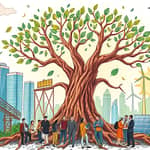
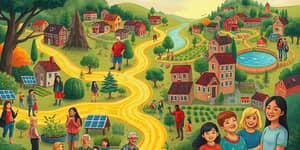
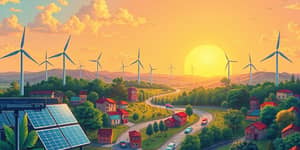
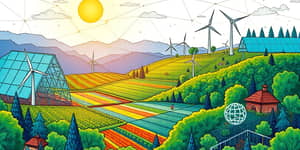
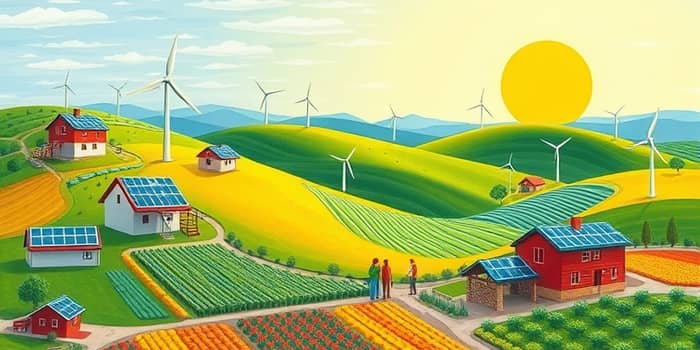
Imagine a network of community-powered grids, where neighborhoods bustle with solar rooftops, small-scale turbines, and battery hubs nestled among pollinator-friendly gardens. Local economies hum with green jobs and farmers harvest both crops and clean energy. Tax revenues fund schools, clinics, and public spaces, while residents share in the profits of their own power.
This is the promise of the regenerative grid: a system that nourishes land and people in equal measure. By weaving together ecological restoration, social equity, and innovative energy technology, we can build resilient and thriving communities—today and for generations to come.
Now is the moment to embrace this transformative vision. Through collaboration, investment, and bold policy, we can power a future where every local grid becomes an engine of regeneration, driving economic renewal and planetary healing hand in hand.
References